Navigating the Roblox Animation Editor 2016 offers a unique pathway for creators seeking to master classic animation techniques within the Roblox platform. This comprehensive guide provides essential insights into accessing, troubleshooting, and leveraging the historical tools that shaped countless virtual worlds. Understanding the 2016 editor is crucial for anyone interested in Robloxs development evolution and for players who appreciate the foundational mechanics of character movement and interaction on a platform where an impressive 87 percent of US gamers regularly engage for over 10 hours weekly. Many adult gamers balance demanding schedules yet seek creative outlets. This resource is designed for you, offering practical advice to maximize your animation workflow on Roblox while staying current with trends and managing your precious time efficiently. Discover tips, tricks, and solutions to common challenges, ensuring your creative journey remains enjoyable and productive with the animation editor 2016 roblox.
What was the Roblox Animation Editor 2016 and why does it still matter?
The Roblox Animation Editor 2016 was the primary tool for creating character animations within Roblox Studio during that era. It's important because it laid the groundwork for many of the animation principles still used today and represents a crucial part of Roblox's development history. For many seasoned creators, understanding this editor offers insights into foundational techniques and helps appreciate the evolution of Roblox's creative suite. Many classic games still use animations born from this period, making its legacy significant for preservation and specific project requirements.
How can I access the Roblox Animation Editor 2016 in current Roblox Studio versions?
Accessing the specific 2016 version directly isn't straightforward as Roblox Studio updates regularly, bringing new animation tools. However, you can often find legacy versions or plugins that mimic its functionality within the Roblox Creator Marketplace, or by searching community forums for older Studio builds if absolutely necessary. Generally, modern Roblox Studio includes an Animation Editor that has evolved from the 2016 version, offering similar core functionalities alongside new enhancements. The key is often to search for "legacy animation tools" within the Studio plugins.
What were the standout features of the 2016 Animation Editor?
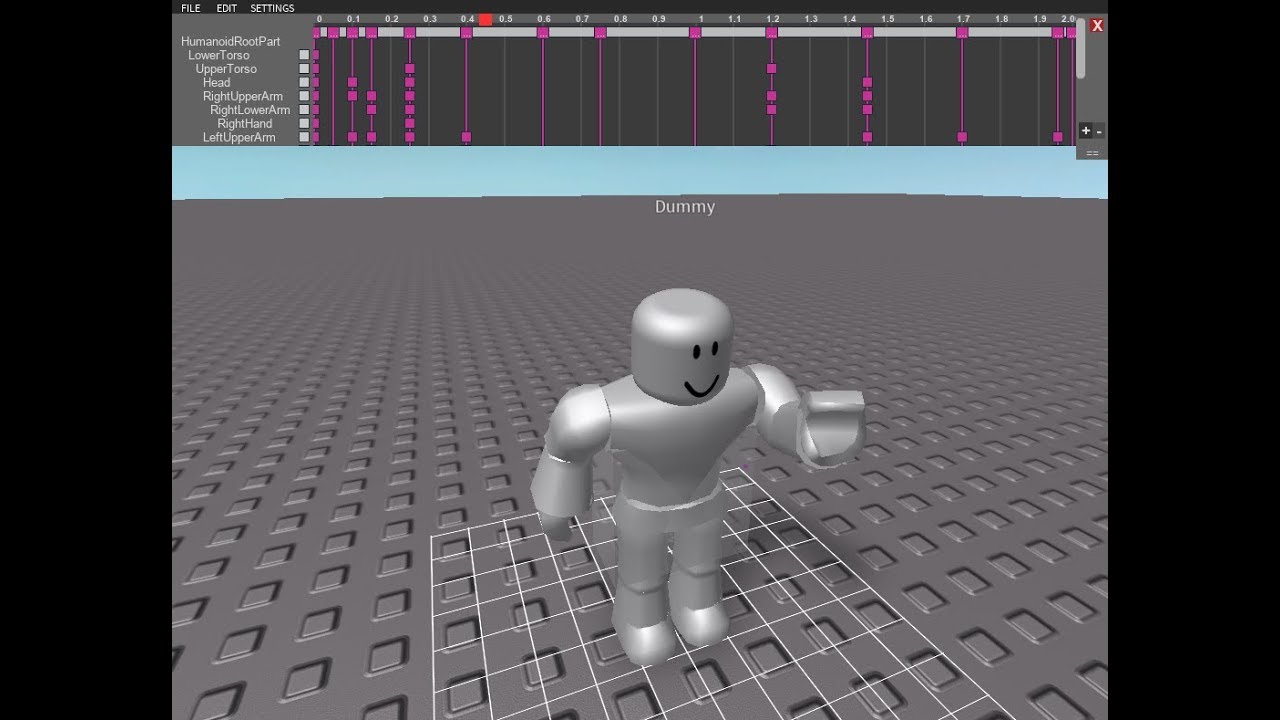
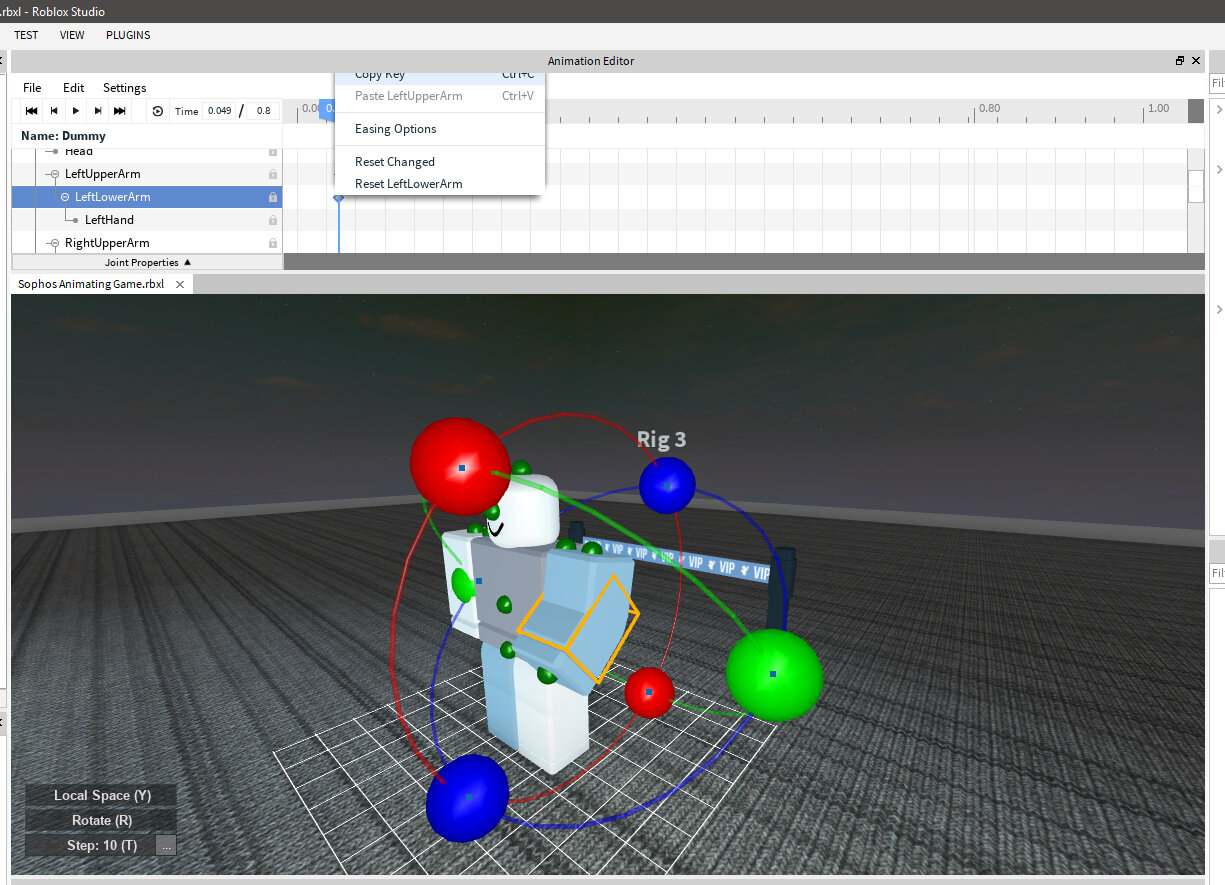
The 2016 Animation Editor was known for its intuitive timeline-based keyframe system, allowing creators to define poses at specific points to generate smooth transitions. It supported animating most R6 and R15 character rigs effectively. Key features included an easy-to-use pose editor, joint manipulation, and the ability to export animations for in-game use. While simpler than today's tools, it provided all the essential functionalities for basic to intermediate character animation, focusing on a straightforward user experience that empowered a generation of Roblox developers.
Are animations created with the 2016 editor still compatible with modern Roblox games?
Yes, animations created and saved using the Roblox Animation Editor 2016 are generally compatible with modern Roblox games. Once an animation is uploaded to Roblox, it receives an Asset ID which can be used in any game, regardless of the editor version it originated from. Roblox prioritizes backward compatibility for game assets, ensuring that older creations remain functional. This allows developers to leverage their extensive libraries of past animations without needing to re-create them, saving valuable time and preserving historical content within the platform.
What are some common challenges when using the Roblox Animation Editor 2016 today?
Using the Roblox Animation Editor 2016 today can present a few challenges. The primary one is finding and setting it up within a modern Roblox Studio environment, as newer versions often default to updated animation tools. Compatibility with new character rigs or specific advanced features might also be limited. Developers may encounter a steeper learning curve if accustomed to more modern interfaces, and community support specifically for the 2016 version might be less prevalent than for current tools. Troubleshooting old bugs or quirks could also be more difficult.
Where can I find tutorials or guides specifically for the Roblox Animation Editor 2016?
While official Roblox documentation primarily focuses on current tools, you can still find valuable tutorials for the Roblox Animation Editor 2016. YouTube channels from older Roblox developers, archived forum posts on the Roblox Developer Forum, and fan-made wikis are excellent resources. Searching for "Roblox 2016 animation tutorial" or "legacy Roblox animation guide" often yields results. Many fundamental animation principles remain consistent across versions, so even newer tutorials can offer transferable knowledge, especially regarding keyframing and posing.
Why would an experienced Roblox developer prefer the 2016 Animation Editor over newer versions?
An experienced Roblox developer might prefer the 2016 Animation Editor for several reasons. Nostalgia and familiarity play a big role; muscle memory with the older interface can lead to faster workflow for certain tasks. Some developers find its simpler interface less cluttered and more direct for specific types of animation, particularly for classic-style games or precise R6 rig animations. It might also be used for maintaining older projects where consistency with the original development environment is desired, or to troubleshoot legacy content more effectively.
Hey there, fellow gamers and creators! Ever find yourself looking back at the classics, wondering how those foundational experiences were built? Or maybe you're a seasoned Roblox developer who occasionally needs to dive into older projects? We get it. Balancing work, family, and a thriving gaming life often means we appreciate tools that are efficient, reliable, and help us unwind or create something awesome. With an impressive 87 percent of US gamers regularly dedicating 10+ hours a week to their passion, often across mobile and PC, it’s clear that gaming is more than just a hobby – it's a vital part of modern life for many, including the average 36-year-old gamer balancing it all.
Today, we're taking a deep dive into a piece of Roblox history that still holds surprising relevance for many creators: the Roblox Animation Editor 2016. While Roblox Studio has evolved considerably, with new and improved animation tools, understanding the 2016 iteration can be incredibly beneficial. It’s not just about nostalgia; it's about appreciating the building blocks, troubleshooting legacy content, and sometimes, simply preferring a familiar workflow that gets the job done without unnecessary frills. We'll explore why this older editor still matters, how to work with it, and provide practical tips to navigate its nuances. Whether you're a veteran developer or a curious newcomer, this guide will help you master the animation editor 2016 roblox, ensuring your creative endeavors are both efficient and enjoyable.
Forget the hype. Let's focus on practical solutions, solid information, and how to make the most of your creative time, because your passion for building and playing deserves the best, even when it means looking back to a foundational tool.
What exactly was the Roblox Animation Editor 2016 and why is it important?
The Roblox Animation Editor 2016 was the standard tool for crafting character movements and expressions within Roblox Studio during that specific period. It allowed developers to create keyframe-based animations for R6 and R15 rigs, defining poses at various points along a timeline to produce fluid motion. Its importance stems from being a foundational piece of Roblox's creative ecosystem, influencing how many early and even current games animate their characters. Many iconic animations seen in older popular Roblox games originated from this very editor, making it a benchmark for understanding the platform's visual development.
For adult gamers who are also creators, understanding this editor means more than just historical knowledge. It's about having the flexibility to work on legacy projects, appreciate the evolution of modern tools, and even intentionally create experiences with a classic Roblox aesthetic. It fostered a generation of animators who learned the ropes on a relatively simple yet powerful interface, proving that robust creativity doesn't always require the most complex software. Its impact is still felt, as backward compatibility ensures these older animations remain functional within today's dynamic Roblox environment.
How do modern creators access the legacy Roblox Animation Editor 2016 today?
Accessing the exact, standalone Roblox Animation Editor 2016 isn't as direct as simply clicking an old icon in a new Roblox Studio installation. Roblox Studio continuously updates, and the animation editor has evolved significantly. However, there are a few ways to experience or approximate the 2016 workflow. The most common method involves utilizing plugins or searching for specific community-maintained legacy tools within the Roblox Creator Marketplace. These plugins often aim to replicate the feel and functionality of older editors, catering to developers who prefer that workflow or need to maintain old projects. Directly installing a 2016 version of Roblox Studio is generally not recommended due to potential security vulnerabilities and compatibility issues with current Roblox servers, but some enthusiasts in developer communities may share insights for niche use cases.
To find these alternatives, open Roblox Studio, navigate to the 'Plugins' tab, and search the Marketplace for terms like
Understanding the Roblox Animation Editor 2016 legacy and relevance Accessing and utilizing the classic animation tool within Roblox Studio Tips for efficient animation workflow and common troubleshooting solutions Comparing the 2016 editor with newer Roblox animation tools Guidance on integrating older animations into current projects Resources for learning and mastering classic Roblox animation techniques
35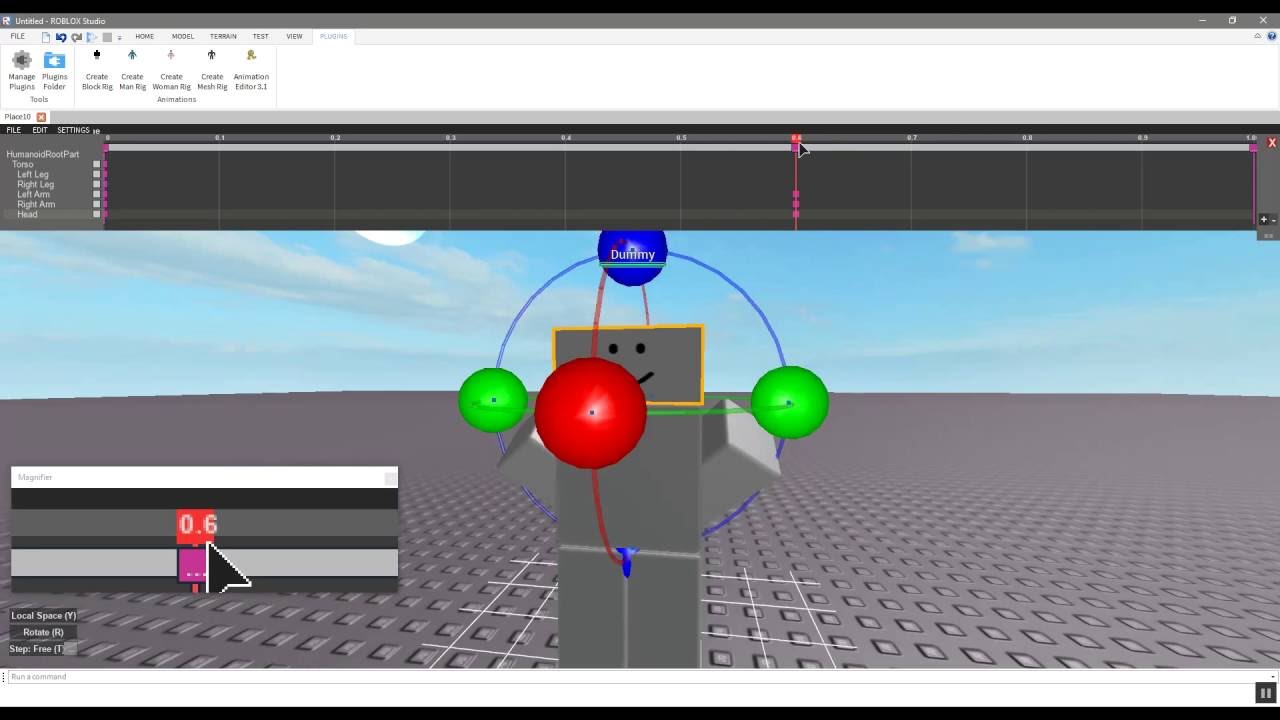
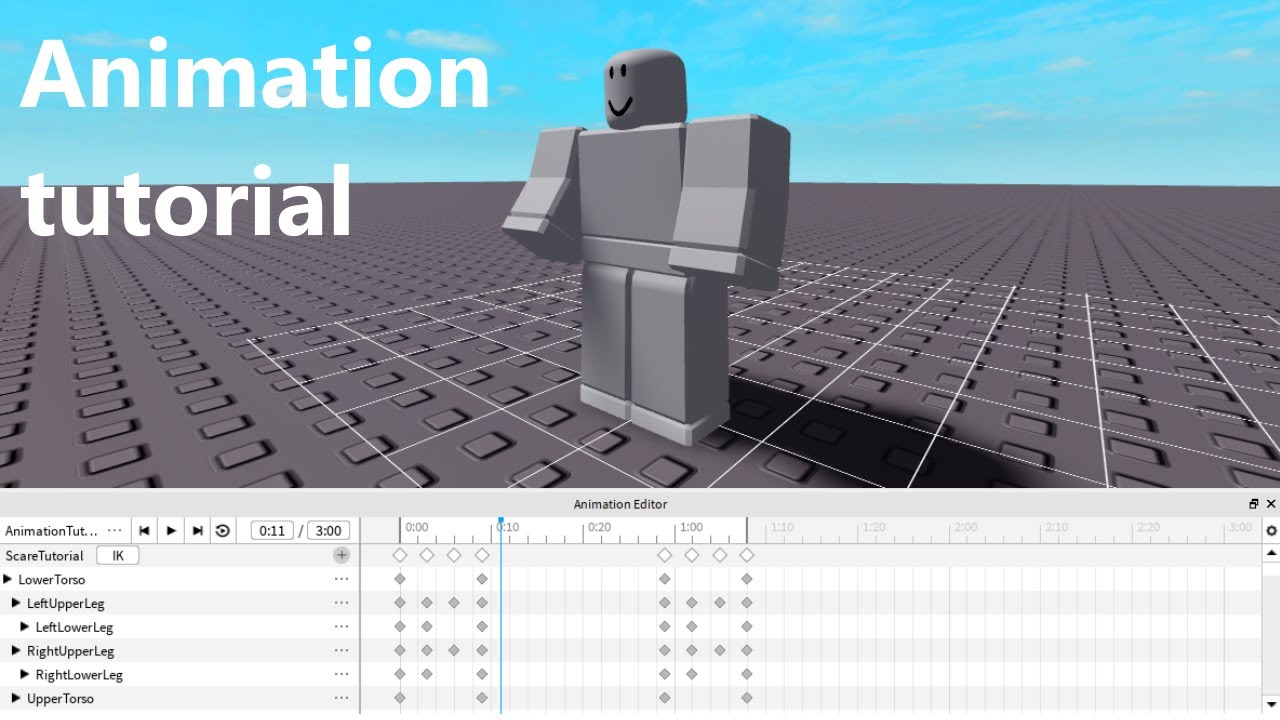
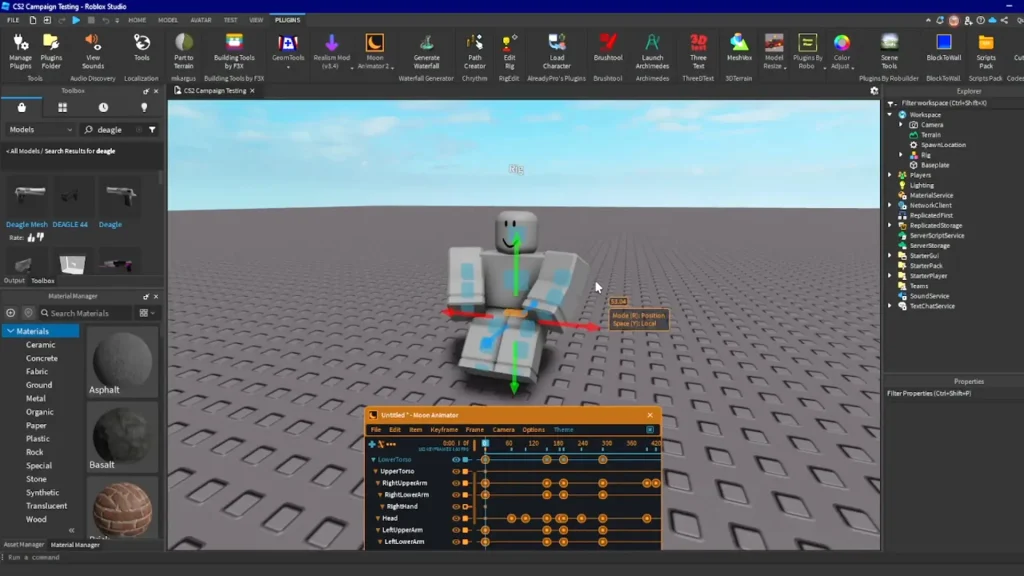

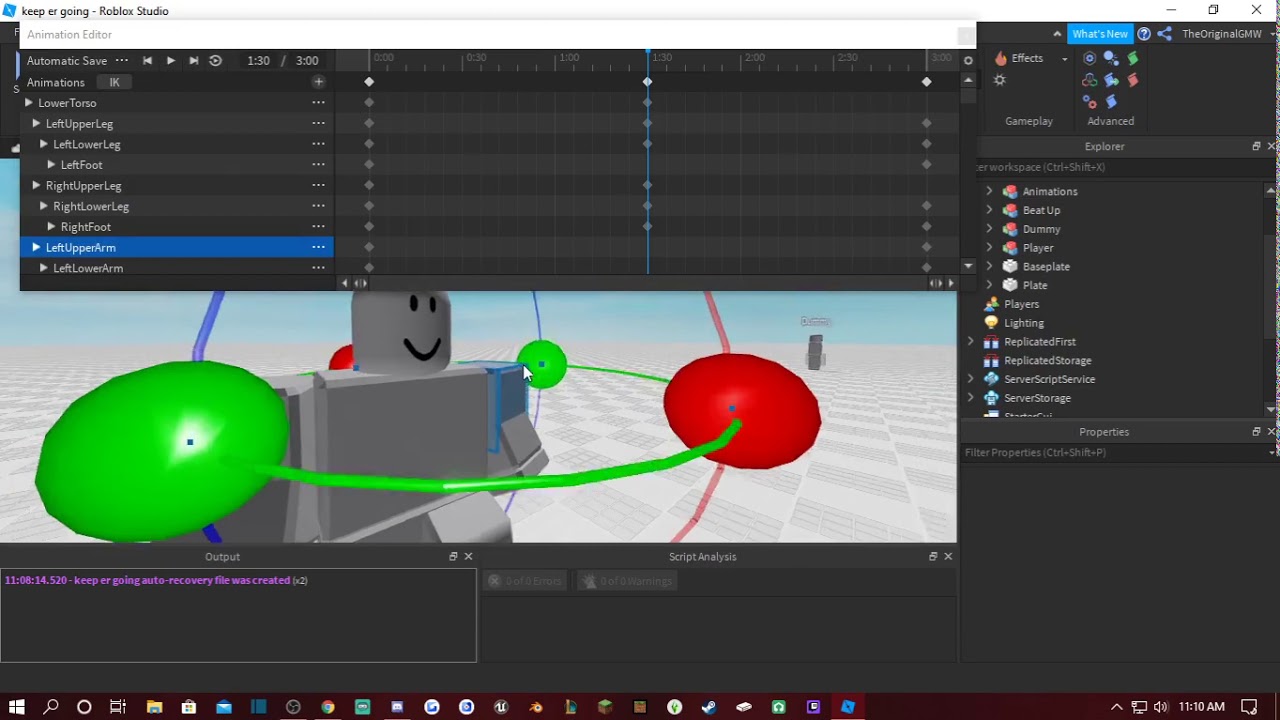
Roblox Animation Editor Basics YouTube . Roblox Animation Editor . How To Make Animations In Roblox Studio For Beginners A Quick User 282 Cover. How To Use The Animation Editor In Roblox Studio YouTube . Roblox Animation Editor Tutorial 2020 YouTube
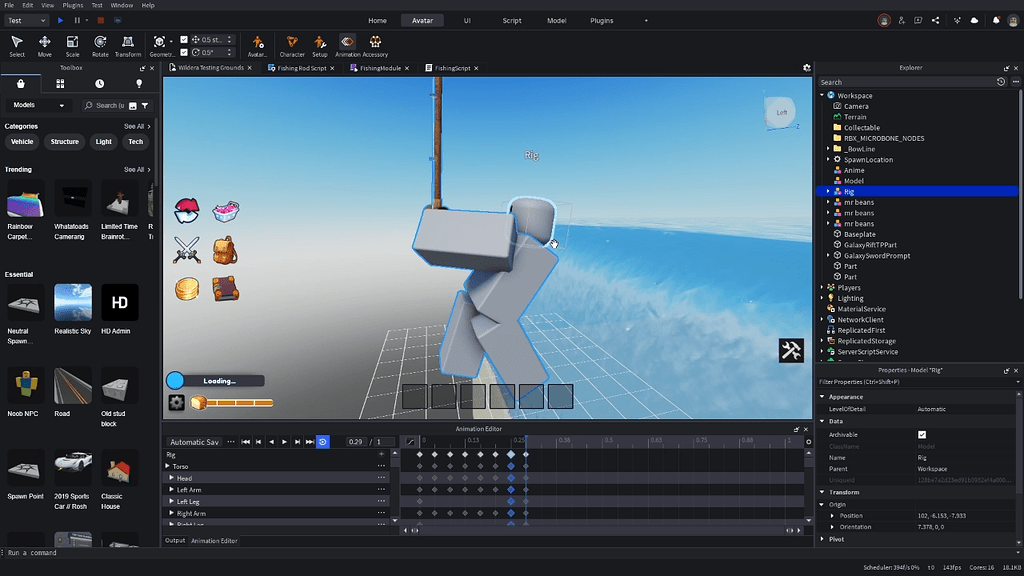


Animation Editor Unable To Move Or Rotate Anything Art Design Support 2 1024x576 . Timelines Dissapeared In Animation Editor Art Design Support 2 690x387 . How To Use Animation Editor Roblox Studio YouTube . Live Animation Creator Beta Page 5 Developer . Roblox Studio Animation Editor Side Kick YouTube
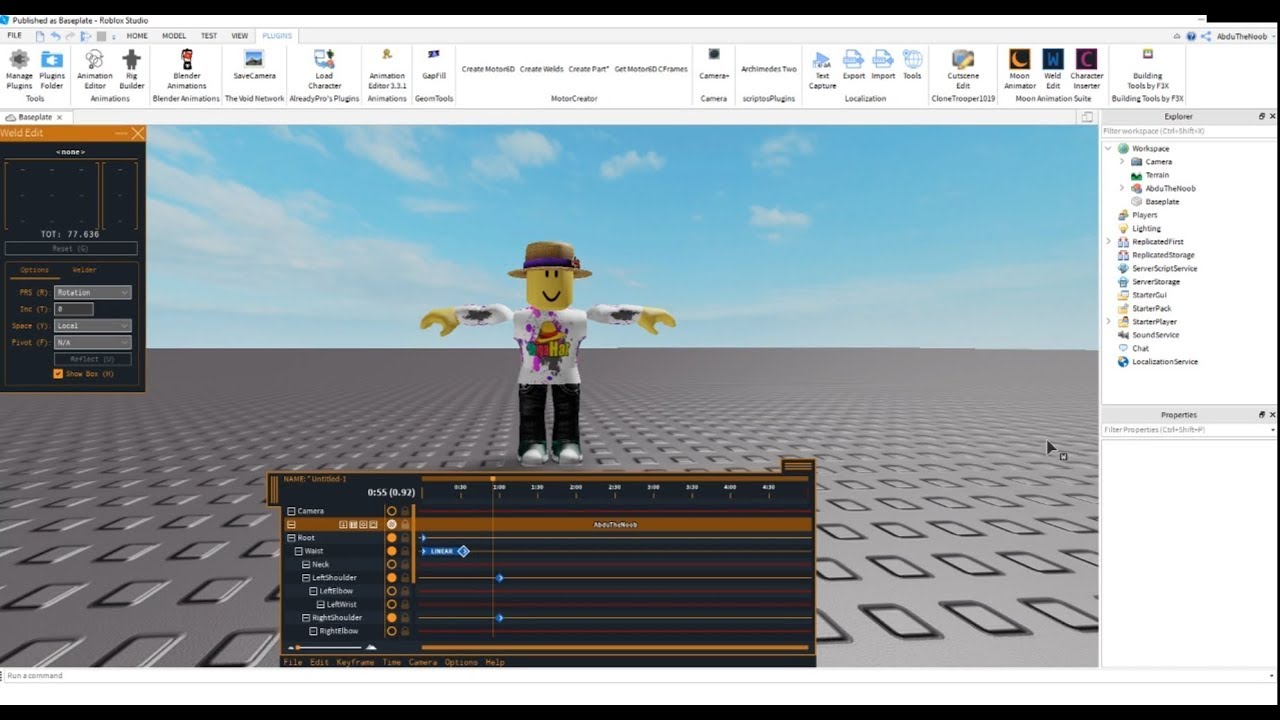

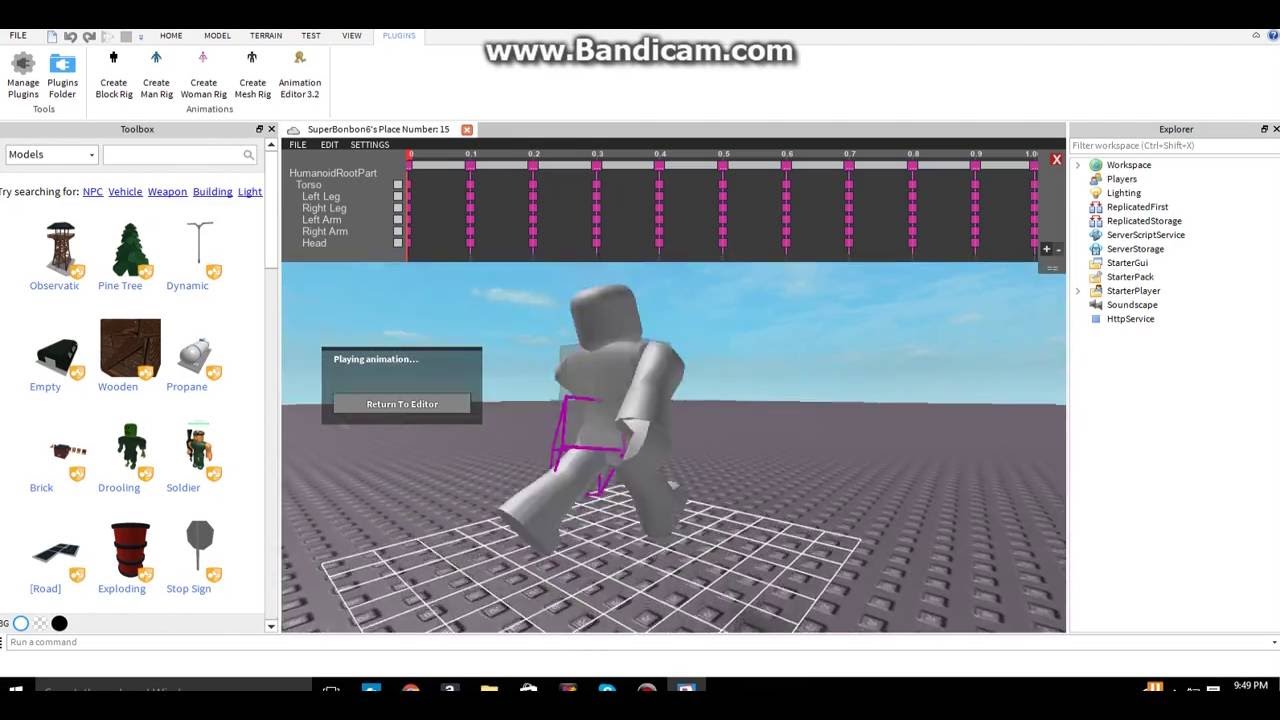


Roblox Animation Editor . How To Set Up Animations Tutorial Roblox Studio Animation Spoofer . Roblox Animation Editor . Unlocking Roblox Animation Power With Moon Animator Up To Date 2026 . New Animation Editor Developer Forum

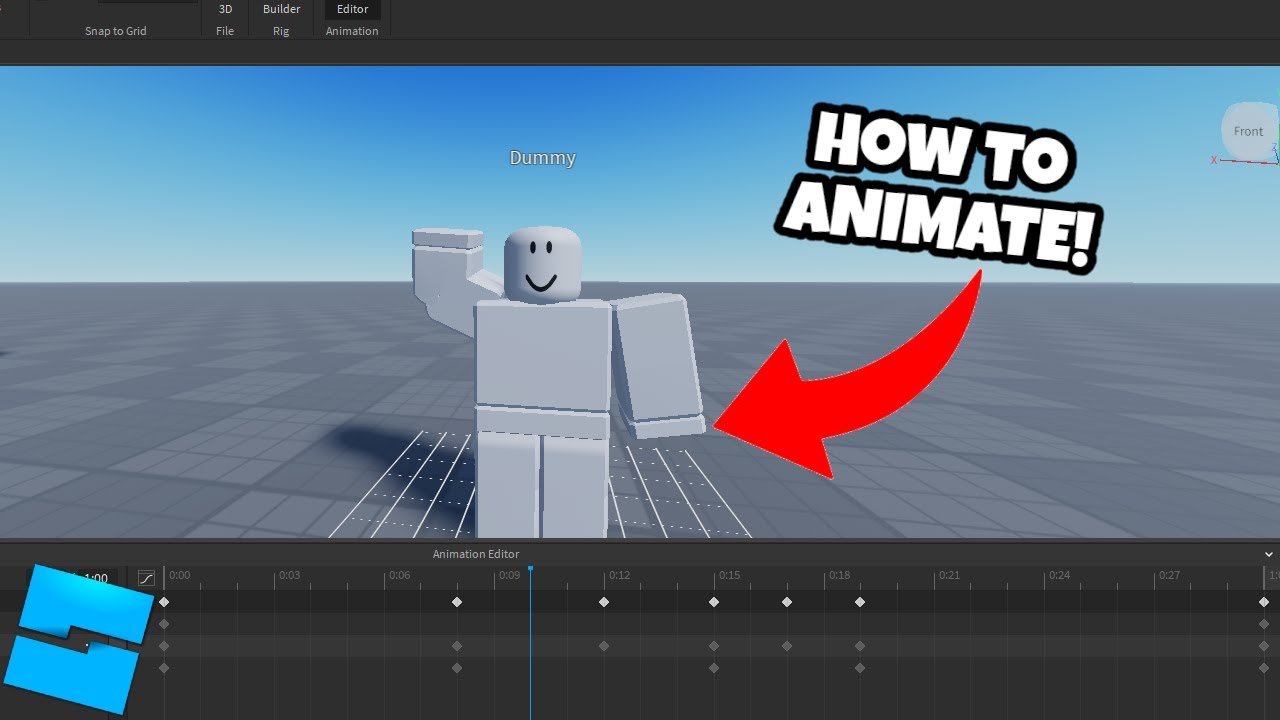
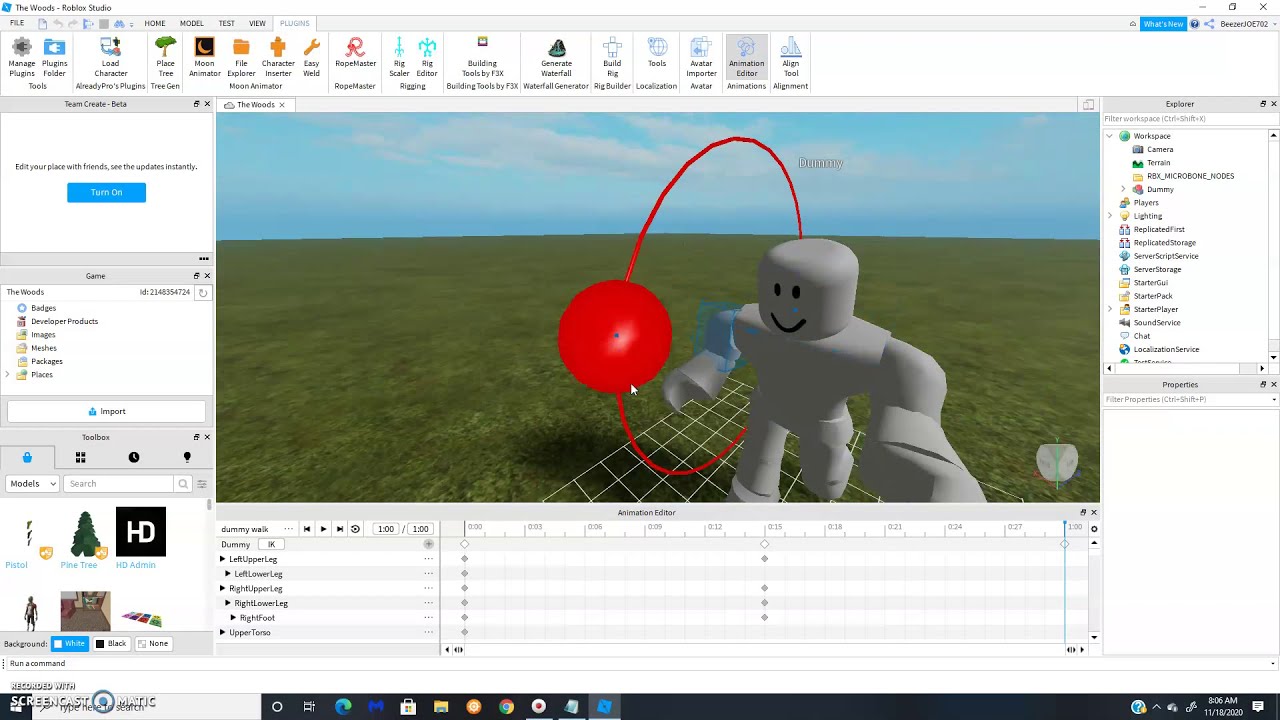


Why Does The Animation Editor Display The Wrong Time Art Design . Animation In Roblox Studio H Ng D N T O V T I U Animation Cho Tr Ch I . How To Make Your Own Animation Roblox Studio At Darlene Whitely Blog . PATCHED Roblox Studio BUG R6 Animation Editor Is BROKEN With . Roblox Animation Editor


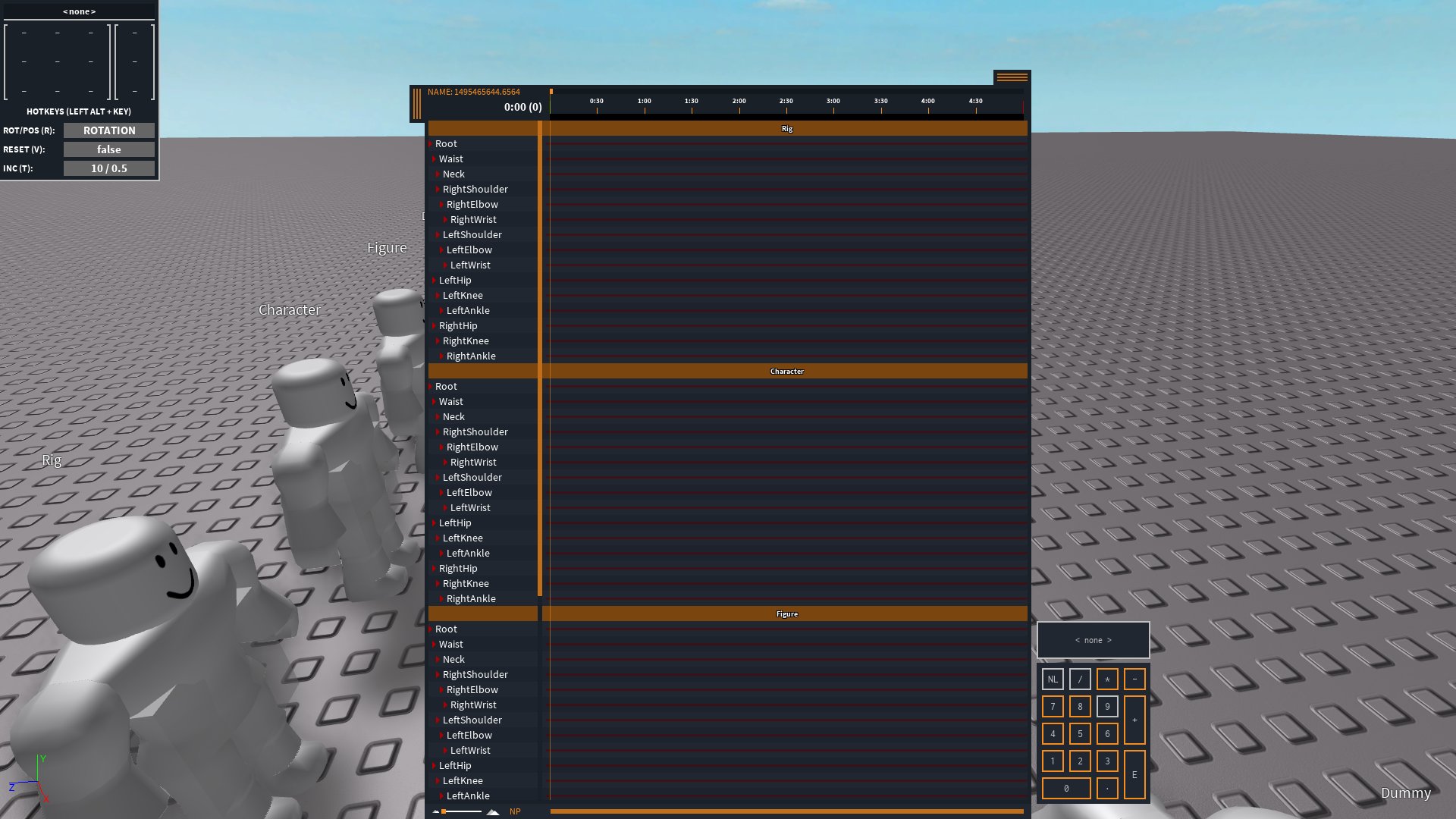


Roblox Animation Editor . Animation Editor UI Is Not Showing Up Art Design Support Developer 2 1024x538 . Roblox Animation Editor Large. Mastering Roblox Animations A Step By Step Guide To Creating Engaging 2 690x400 . How To ANIMATE In Roblox Studio 3D Print Custom Roblox Figure Toys Image 3 1024x640

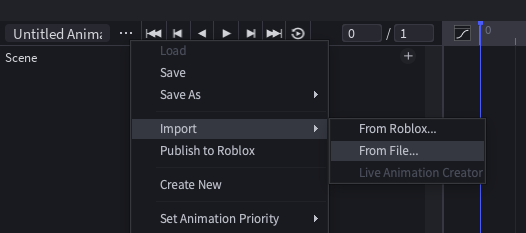

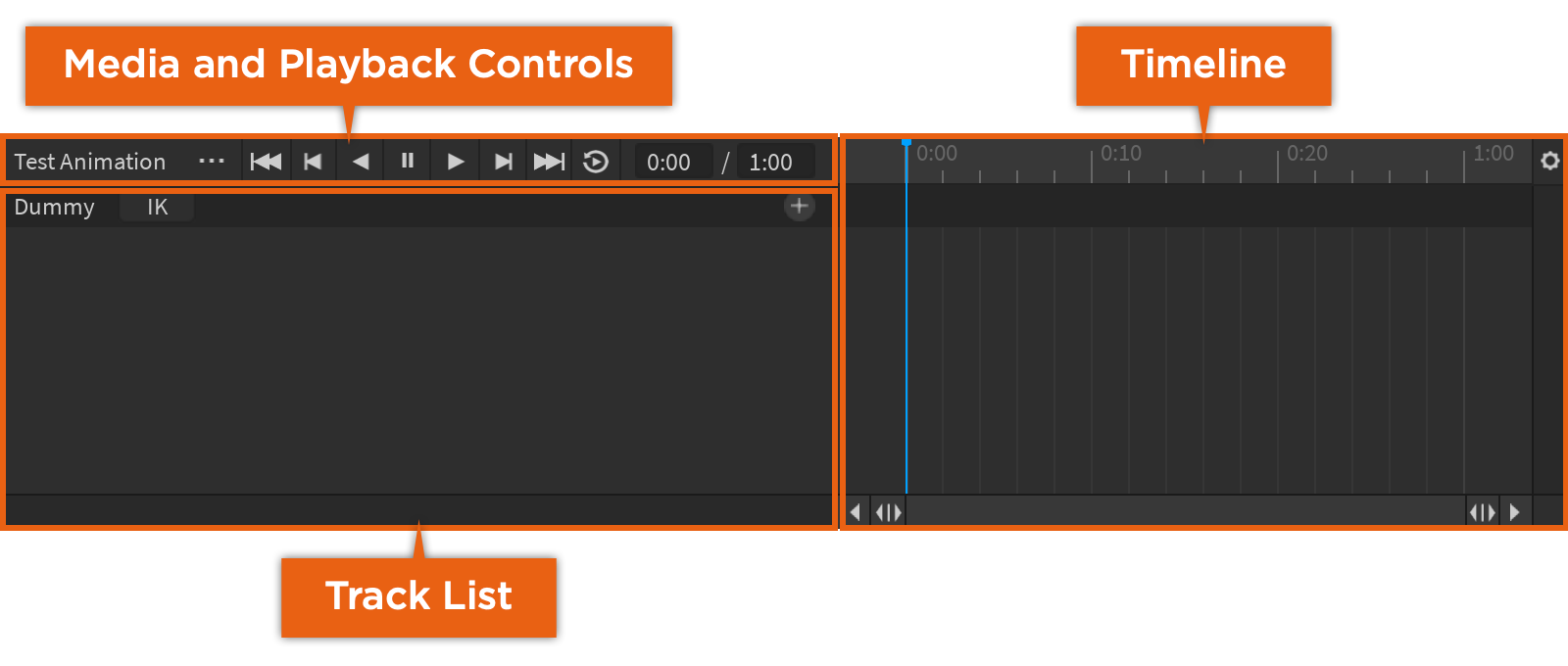

Making Roblox Animations Your Creative Journey . Full Release Animation Clip Editor Improved Importing And GlTF . Roblox Animation Editor . Diteur D Animation Hub Cr Ation Roblox Editor Sections Labeled . Unlocking Roblox Animation Power With Moon Animator Up To Date 2026 SL1500

Roblox Animation Editor . Roblox Studio Nas L Ndirilir Ve Kullan L R Webp. Animation Editor Half Broken And Uncompleted Studio Bugs Developer . Roblox Animation Editor . Parts Do Not Rotate Around Pivots In Animation Editor Art Design