Ever wondered if your vast Steam library is entirely digital? You are not alone. As US gamers, many of us balance demanding jobs, family life, and a desire to unwind with our favorite titles, making digital game ownership a hot topic. With 87% of US gamers playing regularly and dedicating over 10 hours a week to their passion, understanding how game distribution works is crucial for smart spending and seamless play. This guide dives deep into whether all Steam games are digital, exploring the nuances of game keys, physical releases, and what "ownership" truly means in 2026. We will uncover the practicalities, benefits, and potential pitfalls of Steam's digital-first approach, offering valuable insights for busy adults who seek relaxation, fun, and skill-building without unnecessary hassle or setup issues. Learn how to optimize your gaming experience, protect your library, and stay current with trends like social play and budget-friendly options, ensuring your precious gaming time is always well spent.
Are all Steam games truly digital, or are there exceptions?
In 2026, virtually all games you acquire through Steam are digital. This means you download them directly to your PC, and there is no physical media involved in the transaction on the Steam platform itself. While you might still encounter physical PC game boxes in stores, these almost universally contain a digital activation key for Steam, rather than a game disc you install from. So, while the packaging might be tangible, the game access and installation remain entirely digital through Steam.
If I buy a physical PC game today, will it still use Steam?
Most modern physical PC game releases, especially major titles, still leverage Steam for activation, updates, and even the initial installation files. You will typically find a Steam key inside the box, which you redeem on your Steam account. After redemption, the game becomes part of your digital Steam library, requiring a download and relying on Steam's services for patching and DRM. It is rare to find a physical PC game that installs and runs completely independently of a digital platform like Steam these days.
What happens to my digital Steam games if my internet goes out?
Many of your digital Steam games can still be played if your internet goes out, thanks to Steam's Offline Mode. To use it, you must have launched Steam online previously, ensured the game is fully updated, and launched the specific game at least once while connected. Then, when your internet is down, you can restart Steam and select "Start in Offline Mode." This feature is a lifesaver for single-player titles, allowing you to continue gaming even during connectivity issues, a common concern for busy gamers.
Can I ever "own" a digital Steam game like a physical disc?
When you "buy" a game on Steam, you are purchasing a license to play the game, not outright ownership of the software itself. This differs from a physical disc, which you tangibly own and can resell. A Steam license grants you the right to install and play the game as per Valve's terms of service. While this means you cannot resell digital games, it provides immense convenience, instant access, and ongoing updates, a trade-off many US gamers find worthwhile for their limited gaming time.
How do I protect my extensive digital Steam game library?
Protecting your digital Steam library is crucial. The most important step is enabling **Steam Guard Mobile Authenticator**, which provides two-factor authentication, making it significantly harder for unauthorized users to access your account. Additionally, use a strong, unique password, avoid phishing links, and be wary of suspicious third-party sites. Regular review of your account details and payment methods also adds layers of security, ensuring your valuable gaming investment is safe from compromise.
Why is the industry moving almost entirely to digital, especially for PC?
The PC gaming industry, led by platforms like Steam, has shifted almost entirely to digital distribution due to numerous benefits. It offers unparalleled convenience, allowing instant global access to games without physical production or shipping costs. This leads to more frequent sales and often better prices for gamers. Digital platforms also streamline updates, provide robust anti-piracy tools, and offer extensive social and community features, enhancing the overall gaming experience for the 87% of US gamers who play regularly.
Are there advantages to physical copies that digital Steam games miss out on?
While digital Steam games offer immense convenience, physical copies historically provided a sense of tangible ownership, the ability to resell or lend games, and collectible value. Digital games lack resale value and are tied to a platform's terms of service. Some gamers also appreciate the physical artwork, manuals, and collector's editions that are less common in the purely digital space. However, for most busy US gamers, the immediate access, regular discounts, and ease of management of digital libraries often outweigh these physical advantages in 2026.
As busy US gamers, we often find ourselves navigating a rapidly evolving digital landscape. You juggle work, family, and personal life, and when it is time to unwind with your favorite PC game, the last thing you want are surprises about how your games work or what you actually own. It is a common thought among the 87% of US gamers who play regularly and spend more than 10 hours a week in virtual worlds: "Are all Steam games digital?" This question cuts to the core of modern gaming, touching on everything from game access and account security to the very nature of digital ownership.
For many of us, gaming is a vital outlet for relaxation, skill-building, and social connection. We want value for our money, optimal performance, and hassle-free experiences. We are not interested in hype, but in practical solutions to common pain points like setup issues, performance hiccups, or figuring out the best games for our limited time. This comprehensive guide will pull back the curtain on Steam's digital ecosystem, clarifying once and for all what it means to have a digital game library. We will address your concerns, debunk myths, and provide actionable insights to ensure your gaming journey remains smooth and enjoyable, whether you are diving into the latest social cozy game or optimizing your rig for competitive play.
What Exactly Does "Digital" Mean for Steam Games?
For Steam, "digital" means that your games are delivered to you electronically, primarily through downloads. When you purchase a game on Steam, you are essentially buying a license to download and play that game from Valve's servers. There is no physical disc, cartridge, or tangible item involved in the direct purchase from the Steam store. This model allows for instant access to thousands of titles, immediate updates, and a vast, easily managed library accessible from any PC where Steam is installed.
This digital-first approach is incredibly convenient for the average gamer, especially those who balance life and gaming. Imagine coming home after a long day; instead of driving to a store, you can browse, buy, and download a new game in minutes. This aligns perfectly with the modern gamer's desire for efficiency and instant gratification, fitting seamlessly into limited free time slots.
Are There Any Physical Steam Games You Can Buy?
In 2026, the concept of a "physical Steam game" is mostly a relic of the past, or at least a misnomer. While you might still find physical PC game boxes in stores, especially for collector's editions or specific AAA titles, these almost universally contain a **Steam key** rather than the game data on a disc. Installing from the disc itself is rare and often requires extensive patching via Steam anyway. The key, once redeemed on your Steam account, grants you access to the digital version of the game, just as if you had bought it directly from the Steam store.
So, while the box might be physical, the game itself becomes part of your digital Steam library. This trend underscores the industry's full embrace of digital distribution, prioritizing convenience and speed over physical media. For gamers on a budget or those looking for collector's items, these physical boxes can sometimes offer unique goodies like art books or figurines, but the game activation remains digital.
How Does Steam Game Ownership Really Work?
This is where things get interesting for many gamers. When you "buy" a game on Steam, you are technically purchasing a **license** to play that game, not outright ownership of the software itself. This license grants you the right to install and play the game as long as your Steam account is in good standing and the game publisher continues to support the title on Steam. This is a crucial distinction from owning a physical disc, which historically offered more tangible control.
This licensing model is standard across most digital platforms. It allows Valve to maintain the platform, distribute updates, and enforce terms of service. For the average gamer, it means relying on Steam's infrastructure. While this provides unparalleled convenience and access, it also means you cannot resell your digital games or transfer them to another account, unlike physical copies. It's a trade-off for the ease and breadth of access Steam provides.
Why Is Steam Overwhelmingly Digital?
Steam's journey to becoming the dominant PC gaming platform is intrinsically linked to its digital distribution model. There are several compelling reasons for this shift, benefiting both developers and gamers:
- Global Reach and Instant Access: Digital distribution allows games to be sold worldwide simultaneously, without the logistical headaches of manufacturing, shipping, and stocking physical copies. Gamers get instant access upon release.
- Cost Efficiency: Eliminates production costs for discs, cases, and manuals, and reduces shipping and retail overheads. This often translates to more frequent sales and lower prices for consumers, especially during major Steam events.
- Environmental Impact: Reduces waste associated with physical packaging and transportation, aligning with growing environmental consciousness among consumers and companies alike.
- Patching and Updates: Digital platforms make it incredibly easy to deliver patches, bug fixes, and content updates directly to players, ensuring everyone is on the latest version and issues are addressed promptly.
- Anti-Piracy Measures: While not foolproof, digital rights management (DRM) integrated into the platform helps combat piracy more effectively than traditional physical media.
- Data and Analytics: Digital sales provide valuable data on player behavior, preferences, and trends, allowing developers to better understand their audience and refine future games.
For gamers balancing work and life, this efficiency is a godsend. It means more choice, better prices, and less friction between wanting a game and playing it.
What Are the Pros and Cons of an All-Digital Steam Library?
Embracing a fully digital Steam library comes with both significant advantages and a few drawbacks that busy gamers should consider.
Pros:
- Convenience and Accessibility: Access your entire library from any PC with Steam installed and an internet connection. No need to hunt for discs or worry about physical damage.
- Instant Play: Buy a game, download it, and play. No trips to the store, no installation media.
- Space Saving: Your games do not take up physical shelf space, perfect for minimalist setups or smaller living spaces.
- Automatic Updates: Steam handles game updates automatically, so you are always playing the latest version.
- Frequent Sales: Steam is renowned for its seasonal sales, offering digital titles at steep discounts, providing excellent value for money.
- Social Features: Seamless integration with friends lists, chat, voice, and community features like Steam Workshop, enhancing the social aspect of gaming that many enjoy.
Cons:
- No Resale Value: Digital games cannot be sold, traded, or lent out like physical copies, impacting value for money over the long term for some.
- Internet Dependency: Initial download and some online features require a stable internet connection. While offline mode exists, it needs prior setup.
- Ownership vs. License: You own a license, not the game itself, meaning terms of service apply, and theoretical loss of access is possible (though rare).
- Reliance on Platform: Your library is tied to your Steam account. If Steam were to cease operations, accessing your games could become an issue, though Valve has contingency plans.
- Hard Drive Space: A large digital library demands significant storage space on your PC.
For gamers who value convenience, constant updates, and finding great deals, the pros heavily outweigh the cons. However, for those who prefer tangible ownership or the ability to resell, the digital model requires a different mindset.
Can I Play My Steam Games Offline?
Yes, you can absolutely play many of your Steam games offline, but it requires a bit of foresight. Steam has an "Offline Mode" specifically designed for this. To use it successfully:
- Ensure Steam is set to "Remember my password" on the computer you plan to use offline.
- Launch Steam at least once online to download any necessary updates for the client and the games you want to play.
- Launch the specific games you intend to play offline at least once while online. This ensures all necessary files and any DRM checks are completed.
- Before going offline, close Steam and then restart it, selecting "Start in Offline Mode" from the Steam menu.
This feature is a lifesaver for busy gamers traveling, dealing with intermittent internet, or simply wanting to disconnect. Not all games support offline play perfectly (especially online-only multiplayer titles), but for most single-player experiences, it works wonderfully. It addresses a key pain point for gamers concerned about constant internet reliance.
What Happens to My Steam Games if My Account is Compromised or Steam Shuts Down?
These are understandable concerns for anyone with a significant investment in their digital library. Account security is paramount. If your Steam account is compromised, Valve has robust recovery procedures. You will need to provide proof of ownership (e.g., CD keys, payment information) to regain access. Two-Factor Authentication (Steam Guard Mobile Authenticator) is highly recommended and essential for preventing breaches, protecting your valuable time and money invested.
As for Steam shutting down, while highly improbable given Valve's market position, it's a valid hypothetical. Valve has publicly stated they would likely implement a system to allow users to continue playing their purchased games even if the platform were to cease operations. This would likely involve removing DRM or allowing downloads of game executables directly. While the exact mechanism is speculative, the company understands the need to protect consumer libraries. For now, with Steam being an industry giant and US gamers regularly relying on it, this scenario remains a distant worry.
How Do Steam Game Keys Fit Into the Digital Landscape?
Steam game keys are essentially digital certificates that unlock a game on your Steam account. They are alphanumeric codes provided by game publishers or authorized resellers (like Humble Bundle, Fanatical, or even some physical retailers). When you buy a key from these sources, you then activate it within the Steam client, and the game is added to your digital library as if you purchased it directly from the Steam store.
These keys are a vital part of the digital ecosystem because they:
- Enable sales through third-party retailers, expanding reach.
- Facilitate bundles and promotions that offer great value.
- Allow developers to distribute review copies or Kickstarter rewards.
- Provide flexibility for gamers to find the best deals outside the Steam storefront.
Are Digital Game Prices on Steam Always Better Than Physical Copies?
Generally, yes, digital game prices on Steam are often more competitive than physical copies, especially during Steam's legendary sales events. Steam Sales (Summer, Winter, Halloween, etc.) regularly offer discounts of 50-90% on thousands of titles. Physical copies, while sometimes discounted, tend to follow a different pricing cycle and rarely match the sheer volume and depth of Steam's promotions.
However, there can be exceptions. Occasionally, a physical retail store might have a special clearance sale on older PC titles that come with a Steam key, making them cheaper than the digital equivalent at that specific moment. Also, certain bundled deals on sites like Humble Bundle can offer incredible value for multiple Steam keys at a very low price. For the budget-conscious gamer, a combination of monitoring Steam sales, checking authorized third-party key sellers, and keeping an eye on physical retail clearance bins is the optimal strategy.
How Can Busy Gamers Manage a Large Digital Steam Library?
With thousands of games available and frequent sales, it is easy for a digital Steam library to balloon, especially for gamers who prioritize value for money. For the busy gamer, a well-organized library saves precious time and reduces decision fatigue. Here are some tips:
- Use Categories: Steam allows you to create custom categories (e.g., "Played & Loved," "To Play Next," "Cozy Games," "Multiplayer with Friends"). Drag games into these for easy sorting.
- "Hide" Games: For games you have finished or do not plan to play again, use the "Hide Game" option to remove them from your main library view without uninstalling.
- Uninstall Regularly: Keep your hard drive clear by uninstalling games you are not actively playing. They are always available for re-download.
- Leverage Wishlist: Use the Steam Wishlist feature to track games you are interested in and get notified when they go on sale. This prevents impulse buys and helps you stick to a budget.
- Prioritize Playtime: With limited gaming hours, try to focus on finishing one or two games before jumping to the next.
These simple organizational habits can transform your gaming experience, ensuring you spend less time scrolling and more time playing.
Are There Any Hidden Costs or Subscription Models Beyond the Game Purchase on Steam?
Generally, no, Steam itself does not impose hidden costs or mandatory subscription models for accessing your purchased games. Once you buy a game, it is yours to download and play (under the license agreement) without further payment to Valve.
However, there are nuances to consider:
- Game-Specific Subscriptions: Some MMOs (Massively Multiplayer Online games) or certain online services integrated into specific games might require their own separate subscriptions (e.g., World of Warcraft, Final Fantasy XIV), but these are game developer/publisher decisions, not Steam's.
- In-Game Purchases (Microtransactions): Many free-to-play games and even some premium titles offer cosmetic items, season passes, or convenience items that can be purchased within the game. These are optional and distinct from the initial game purchase.
- DLC/Expansions: Post-launch content, such as downloadable content (DLC) or full expansions, are often sold separately. While not hidden, they are additional costs if you want the complete experience.
For gamers on a budget, it is important to check if a game has a subscription model or heavy microtransactions before purchasing, especially if you are sensitive to ongoing costs. Steam's store pages are usually clear about these elements.
What Are the Trends for Physical vs. Digital Games in 2026?
In 2026, the trend unequivocally continues towards digital dominance, especially for PC gaming where Steam leads the charge. Physical PC games are increasingly rare, often serving as collector's items rather than functional game installers. Console gaming still sees a stronger physical market, but even there, digital sales are growing rapidly, and new consoles offer disc-less versions.
Recent US gaming stats highlight this shift: mobile gaming (which is entirely digital) continues its dominance, and even on PC/console, players value the convenience and social integration offered by digital platforms like Steam and Discord. The rise of cloud gaming services further blurs the line, streaming games directly without local installs. For the modern gamer, the benefits of instant access, automatic updates, and massive sales far outweigh the nostalgic appeal of physical media. The future is overwhelmingly digital, with physical releases becoming niche or premium offerings.
FAQ Section
Can I sell my Steam digital games?
No, you cannot sell or transfer digital games purchased on Steam. Your purchase grants you a non-transferable license tied to your account.
Do Steam games expire?
No, Steam games do not expire. Once you own a license, the game remains in your library for as long as Steam operates and the publisher supports the title on the platform.
Is it safe to buy Steam keys from third-party sites?
It depends on the site. Always buy from authorized resellers like Humble Bundle, Fanatical, or Green Man Gaming. Avoid gray market sites, as keys from there can sometimes be fraudulent or revoked, leading to a lost game.
What's the difference between a Steam key and buying directly?
Functionally, there is no difference once redeemed; both add the game to your library. The difference lies in the purchase origin: direct from Steam's store, or via a key from another retailer.
Can I get a refund for a digital Steam game?
Yes, Steam has a generous refund policy. You can typically get a refund if you request it within 14 days of purchase and have played the game for less than 2 hours.
Does Steam offer family sharing for digital titles?
Yes, Steam Family Sharing allows authorized users to play games from your library. However, only one person can access the shared library at a time, meaning if you are playing, others cannot use your shared games.
So, are all Steam games digital? In practical terms, for the vast majority of titles you will buy and play, the answer is a resounding yes. From instant downloads to automatic updates and massive sales, Steam's digital-first approach offers unparalleled convenience for busy US gamers who want to maximize their fun and unwind with their favorite titles. While the concept of "ownership" might differ from physical media, the benefits of accessibility, value, and social integration are undeniable.
Understanding this digital ecosystem empowers you to make smarter choices, manage your library effectively, and enjoy a seamless gaming experience that fits into your demanding life. What's your biggest gaming challenge with a digital library? Comment below!
Steam games are overwhelmingly digital; physical PC games typically include a digital key; ownership on Steam is a license to play; Steam relies on digital distribution for convenience and reach; digital libraries offer instant access but no resale; offline play is possible with preparation.
35
January 2026 S Top Selling New Steam Games Revealed 08418405 04a2 47eb B48b 1500x843 . Steam Sales 2026 Calendar Full Dates Best CD Key Deals AllKeyShop Com All Steam Events 2026. The Most Played Games On Steam For 2026 So Far Cheat Code Central Most Played Games Steam 2026 2048x1167 . February 2026 S Top Selling New Steam Games Are What Db3a0dfd 606c 40ba B585 1500x843 . Steam Next Fest February 2026 The 22 Best Game Demos The Best Steam Next Fest Demos 2026 The Punished Backlog Order 2 300x162



Can You Play Steam Games On Xbox Consoles GAMES IN 2026 . The Top 2026 Games By Steam Wishlists By Rhys Elliott Fc2aa87f 2277 4294 9e7b 1920x1080 . New Steam Features For 2026 Steam Features 2026 What S New Banner.webp. Valve Unveils New Steam Hardware For 2026 . Steam Sales 2026 Calendario Todas Las Fechas Y Las Mejores Ofertas De All Steam Events 2026 1.webp


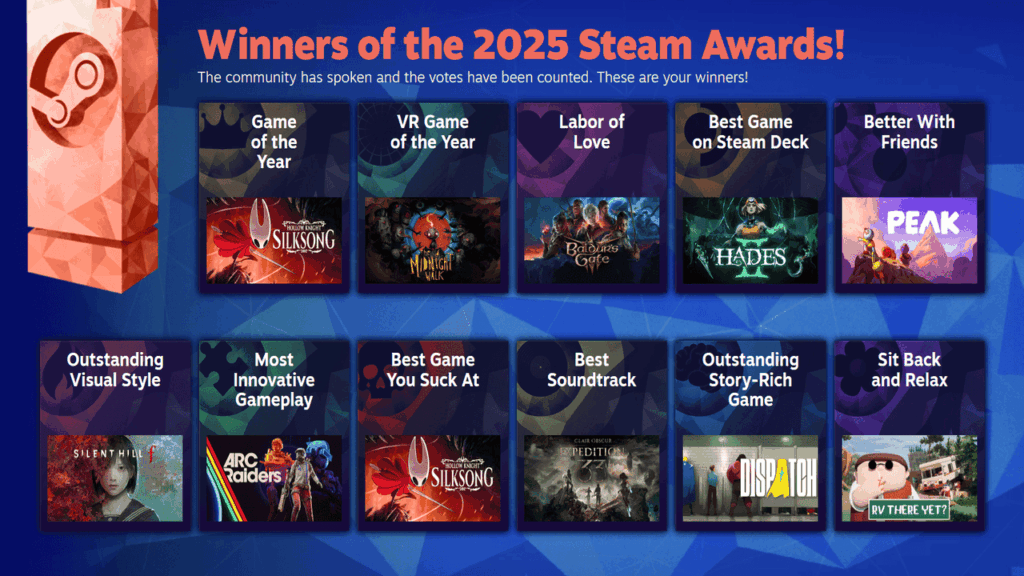
Steam Next Fest February 2026 The 22 Best Game Demos The Best Steam Next Fest Demos 2026 The Punished Backlog 1024x553 . 2026 Games Release Schedule Everything Coming Out This Year 2026 Most Anticipated Games . EA F1 26 Canceled 2026 Season Update Details 2026 Upcoming Games Release Dates . TOP 21 NEW Upcoming Games Of 2026 YouTube . Rekomendasi Game Steam Spring Sale 2026 Wajib Beli Steam Awards 2025 Winners 1024x576


Steam Next Fest 2026 And Beyond All The Dates Details And Everything . The 94 Most Exciting Games Of 2026 Eurogamer Net 2026 Best . All 2026 Steam Fest Dates You Should Watch Out For Gamer Org All 2026 Steam Fest Dates You Should Watch Out For . Steam Sale 2026 Key Dates You Need To Know LevelUpTalk Steam Sale Schedule 2026 08 27 2025 7c35051e 2c22 4093 96f1. Steam Next Fest 2026 And Beyond All The Dates Details And Everything

Best Indie Multiplayer Games On Steam 2026 Edition LRDev Games 1.Best RPG Games On Steam Complete Guide.webp. Steam Sales 2026 Here S The Schedule For The First Half Of The Year 1200cr630 Q100 . Steam Sets New Record With 34 Million Concurrent Users In 2024 Baldurs Gate 3 Steam Revenue 1024x576 . Steam Officially Adds 45 New FPS Games In April 2026 All The Free Games You Can Claim In April 2026 New Image . Best Steam Games For Adults 2026 Edition LRDev Games 1.Best Indie Multiplayer Games On Steam.webp

Gamers Can Mark Their Calendars All Important Steam Events In 2026 Csm Steam Events 2 1f15889fc5 . Steam Next Fest 2026 And Beyond All The Dates Details And Everything . Steam 2026 4 New Free To Play Games Available Now AllKeyShop Com Showcase Steam Free Games 2026 Indie F2p Card Roguelike Sci Fi. Top 100 Most Followed Steam Games With A 2026 Release Date GameGrin Image 2026 01 11 195824230 . Top 100 Most Followed Steam Games With A 2026 Release Date GameGrin Image 2026 01 11 192632846


Upcoming Games 2026 Full Video Game Release Calendar Beebom 2026 Games Release Schedule . Steam Sales Dates 2026 All The Details Times And Everything Else You 1200 80 . 10 Much Awaited Games Set To Launch In 2026 Games To Launch 2026 1536x967 . Steam Machine S 2026 Release Still Certain Says Valve GameSpot 4631581 . All 2026 Steam Fest Dates You Should Watch Out For Gamer Org All 2026 Steam Fest Dates You Should Watch Out For 2 1024x538