Ever feel overwhelmed by GPU jargon, CPU speeds, or RAM numbers when all you want to do is enjoy your game after a long day? You are not alone. For many US gamers, balancing work, family, and life means gaming time is precious. Understanding how to learn gaming specs is not about becoming a tech expert; it is about optimizing your fun, making smart upgrade choices, and ensuring your hard-earned cash goes to the right components. This comprehensive guide is designed for the modern gamer, averaging around 36 years old, who values performance without the hype. We will demystify gaming hardware, helping you troubleshoot issues, pick the right games for your rig, and stay current with trends like mobile gaming and social play without breaking the bank or dedicating endless hours to research. Dive in to learn how to make your gaming experience seamless, enjoyable, and perfectly suited to your lifestyle.
What are the essential gaming specs for beginners?
For newcomers to understanding how to learn gaming specs, the essential components are the Central Processing Unit (CPU), Graphics Processing Unit (GPU), and Random Access Memory (RAM). The CPU is your system's brain, handling general tasks. The GPU is the visual powerhouse, rendering everything you see on screen. RAM acts as short-term memory, crucial for multitasking and loading game assets quickly. Understanding these three is your foundation for optimizing your gaming experience and making smart upgrade decisions.
How does GPU VRAM affect game performance?
GPU VRAM, or Video Random Access Memory, is dedicated memory on your graphics card that stores game textures, models, and frame buffers for quick access. More VRAM allows higher resolutions and more detailed textures without stuttering. While 8GB is a solid baseline for 1080p and 1440p gaming in 2026, demanding titles at 4K or with ultra settings can benefit significantly from 12GB or even 16GB. It prevents your GPU from needing to fetch data from slower system RAM, ensuring smoother gameplay, especially in visually rich environments or open-world games.
What is the ideal CPU for gaming in 2026 for a balanced setup?
In 2026, an ideal CPU for a balanced gaming setup for the average gamer (around 36) typically means a mid-to-high range processor from Intel (e.g., i5 or i7 equivalent in their latest generation) or AMD (e.g., Ryzen 5 or Ryzen 7). Look for CPUs with 6 to 8 strong cores and high clock speeds, as most games still benefit more from fewer, faster cores than a multitude of slower ones. This ensures excellent performance in current titles, handles background applications smoothly, and offers good future-proofing without overspending on an enthusiast-grade chip.
Why is an SSD crucial for modern gaming?
An SSD (Solid State Drive) is absolutely crucial for modern gaming due to its vastly superior read and write speeds compared to traditional HDDs. Games today feature massive open worlds and high-resolution assets that require rapid data loading. An SSD drastically reduces loading times, game stuttering, and texture pop-in, making your gaming experience much smoother and more enjoyable. It also improves overall system responsiveness. If you are learning how to learn gaming specs, upgrading to an NVMe SSD for your game library is one of the most impactful performance boosts you can make.
How can I tell if my gaming PC needs an upgrade?
You can tell if your gaming PC needs an upgrade if you consistently experience low frame rates, frequent stuttering, or are forced to play new titles on low settings despite meeting minimum requirements. Performance monitoring tools like MSI Afterburner or HWMonitor can reveal if your CPU, GPU, or RAM are constantly hitting 100% usage while gaming. Also, if your system struggles with modern games that are popular this month, or takes excessively long to load games, these are strong indicators that a component upgrade, particularly to your GPU, CPU, or adding more RAM, would significantly improve your experience.
What role does internet speed play in online gaming?
Internet speed plays a critical role in online gaming, especially for competitive titles and social gaming experiences. While extremely high download speeds are not always necessary beyond a certain point (typically 50-100 Mbps for a single gamer), a stable connection with low latency (ping) is paramount. Low ping ensures your actions register quickly on game servers, minimizing frustrating lag. Consistent upload speeds are also important for streaming or communicating with teammates on platforms like Discord. A reliable fiber or cable connection is generally preferred over DSL or satellite for serious online play.
Are gaming laptops a good alternative to desktops for understanding specs?
Gaming laptops are an excellent alternative to desktops for many US gamers, especially those who value portability or have limited space. While they often carry a price premium for equivalent performance due to cooling and miniaturization challenges, modern gaming laptops offer impressive power. They simplify understanding specs as components are integrated, requiring less individual component knowledge. However, upgrades are typically limited to RAM and storage. For busy adults, the convenience of a gaming laptop for balancing gaming with life, whether at home or on the go, often outweighs the slightly lower upgradeability compared to a desktop PC.
Hey fellow gamers! Ever find yourself scrolling through game requirements or upgrade options, feeling a slight panic as you try to decipher all the jargon? You are definitely not alone. For many of us, gaming is a cherished escape, a way to unwind, connect with friends, or build skills after a busy day juggling work, family, and life. But when your game lags or a new title comes out, suddenly you are plunged into the confusing world of CPUs, GPUs, RAM, and refresh rates. It is not about becoming a hardcore tech guru; it is about making smart, informed decisions so your precious gaming time is spent playing, not troubleshooting.
The average US gamer, often around 36 years old, dedicates over 10 hours a week to gaming. With 87% of gamers regularly engaging, the desire for smooth, enjoyable experiences is universal. Whether you are into the latest social sensation, a cozy indie gem, or diving into competitive esports on PC, console, or mobile, understanding how to learn gaming specs is your secret weapon. This guide cuts through the noise, offering practical, no-hype advice. We will help you optimize performance, make budget-friendly upgrade choices, and ensure you are always getting the best value for your gaming dollar. Let us demystify gaming hardware together and get you back to what truly matters: having fun.
What are the Core Gaming Components I Need to Know to Learn Gaming Specs?
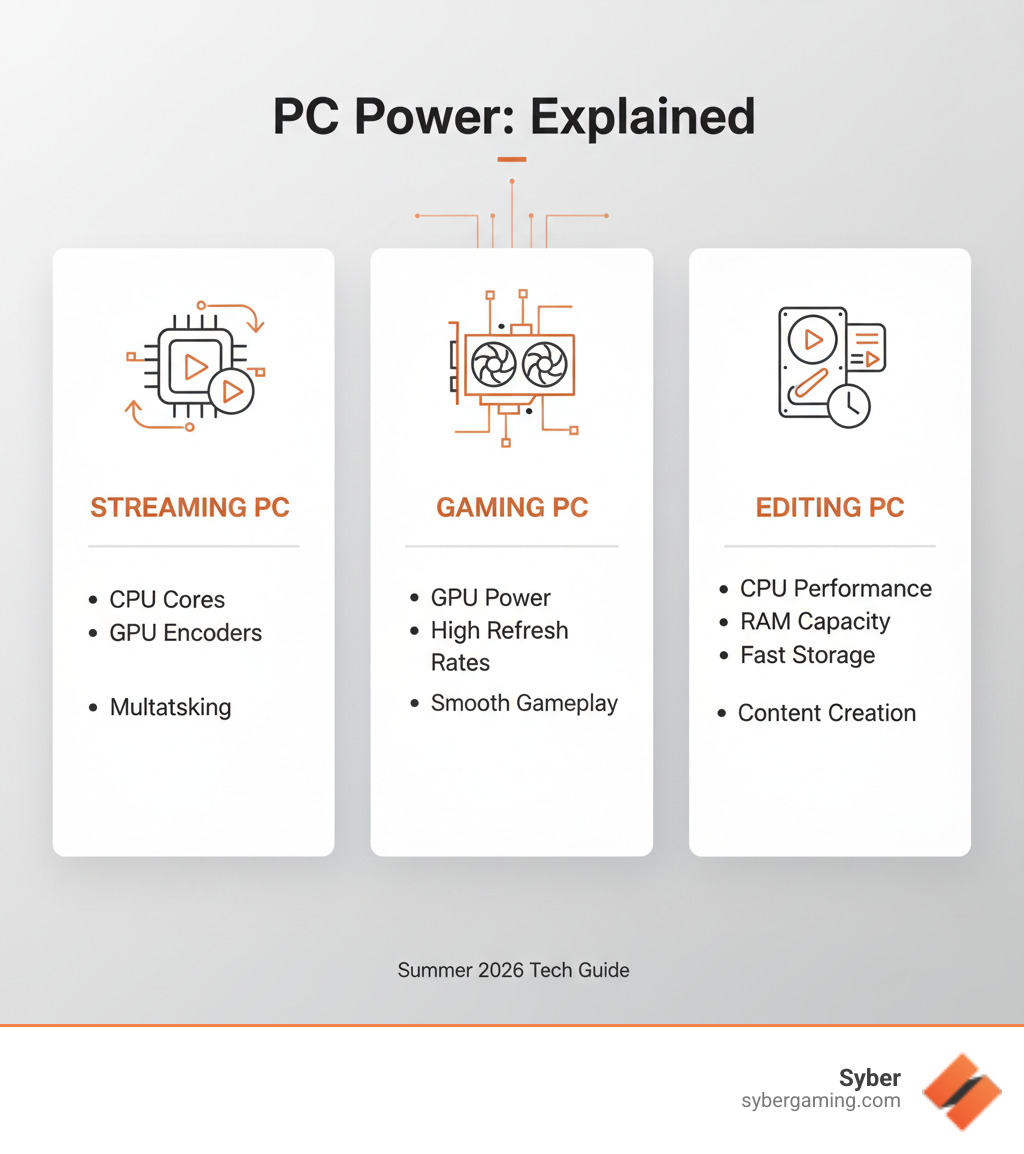
When you are trying to understand how to learn gaming specs, the focus should initially be on three main components: the Central Processing Unit (CPU), the Graphics Processing Unit (GPU), and Random Access Memory (RAM). These are the fundamental building blocks determining your system's gaming prowess. Think of them as the brain, the visual artist, and the short-term memory of your gaming rig.
- CPU (Central Processing Unit): This is your computer's brain. It handles game logic, AI, physics, and many background tasks. While a powerful GPU is often prioritized for gaming, a strong CPU prevents bottlenecks, ensuring your GPU can work at its full potential.
- GPU (Graphics Processing Unit): Often called the graphics card, this is arguably the most crucial component for gaming. The GPU is responsible for rendering all the visuals you see on your screen, from character models to vast landscapes. A better GPU means higher frame rates and the ability to run games at higher resolutions and quality settings.
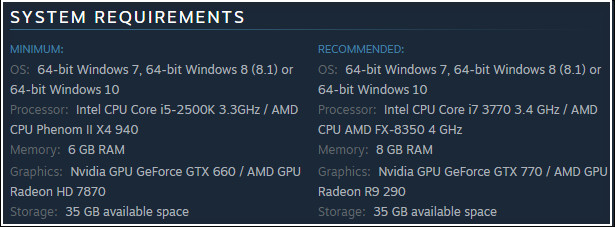
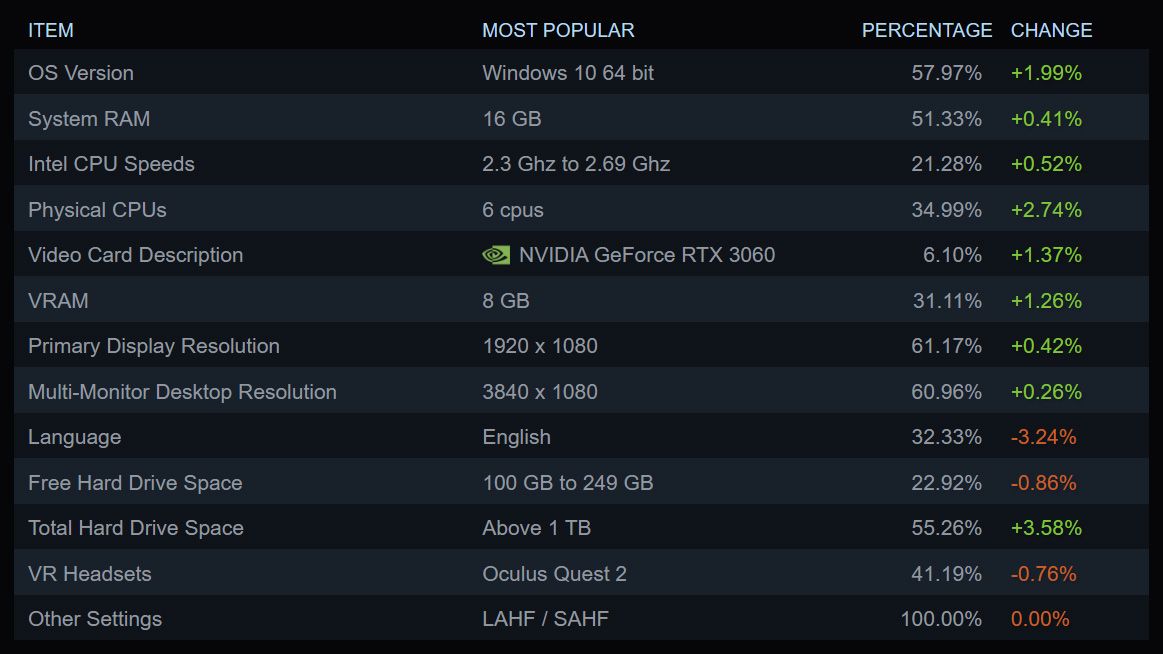
- RAM (Random Access Memory): RAM is your system's short-term memory. It stores data that the CPU and GPU need to access quickly. For gaming, sufficient RAM (typically 16GB is the sweet spot in 2026) allows games to load assets faster and prevents stuttering, especially when multitasking or playing open-world titles.
How Do CPU and GPU Work Together to Power My Games?
The CPU and GPU work in a delicate dance. The CPU prepares the frames by calculating game logic, character positions, and physics, then sends these instructions to the GPU. The GPU then takes this raw data and renders the actual pixels you see on your screen. If your CPU is too slow, it cannot feed the GPU data fast enough, causing a
Unlock your gaming potential by understanding core hardware components. Learn how to match specs to game requirements for optimal performance. Discover budget-friendly upgrade strategies. Master troubleshooting common performance issues. Stay updated on gaming tech trends without endless research. Optimize your setup for both fun and competitive play.
32

How To Choose The Right Gaming PC In 2026 Complete Guide Complete Guide . 10 Best Gaming Phones In 2026 10 Best Gaming Phones 2026 Main . How To Choose The Best Gaming Monitor In 2026 Complete Buying Guide Cover . How To Choose PC Parts For Gaming 2026 Guide FPS Flow Featured 185 Pc Parts Gaming Guide.webp. Best Gaming Laptops With Thunderbolt 4 5 In 2026 9 Picks From Budget Best Gaming Laptops With Thunderbolt Featured 800x450




How To Get Manipulator Aizen In Anime Final Quest Deltia S Gaming Desktop Screenshot 2026.04.13 14.14.40.65 . How To Plan A Bathroom Lighting Layout 2026 Complete Guide How To Plan A Bathroom Lighting Layout . Compare Redmi Note 15 Pro Vs Redmi Note 17 Pro Specs Price Reviews Image. How To Check A Refurbished Laptop Before Buying Complete Guide 2026 How To Check A Refurbished Laptop Before Buying.webp. Compare HMD Hyper Vs Motorola Edge 2025 Specs Price Reviews Image



How To Get The Strongest Shinobi Madara In Sailor Piece Deltia S Gaming Desktop Screenshot 2026.03.27 09.47.27.41 . What Kind Of Laptop Do I Have How To Check Model Specs . IDEAL Want To Build A New Gaming Rig But Not Sure What Specs To Media. Is CPU Or GPU More Important For Gaming Build Guide 2024 Know Your Gaming . 10 Much Awaited Games Set To Launch In 2026 Games To Launch 2026 1536x967



Best Budget Gaming Setup In 2026 Full Guide For Beginners Budget Friendly Gaming Setup In 2026 768x512 . How To Build Your Dream Gaming Setup In 2026 How To Build Your Dream Gaming Setup.webp. CES 2026 Gaming Tech Upgrades Worth Saving For Gamer Org A Sleek Youtube Thumbnail Design Featuri X StUQ 8QkStm Y2qCcixx8Q 768x431 . Recommended PC Game Specs With Unrealistic Targets Are A Joke Windows 1200 80 . CES 2026 Novit PC Gaming E AI Di NVIDIA AMD E Intel CES 2026



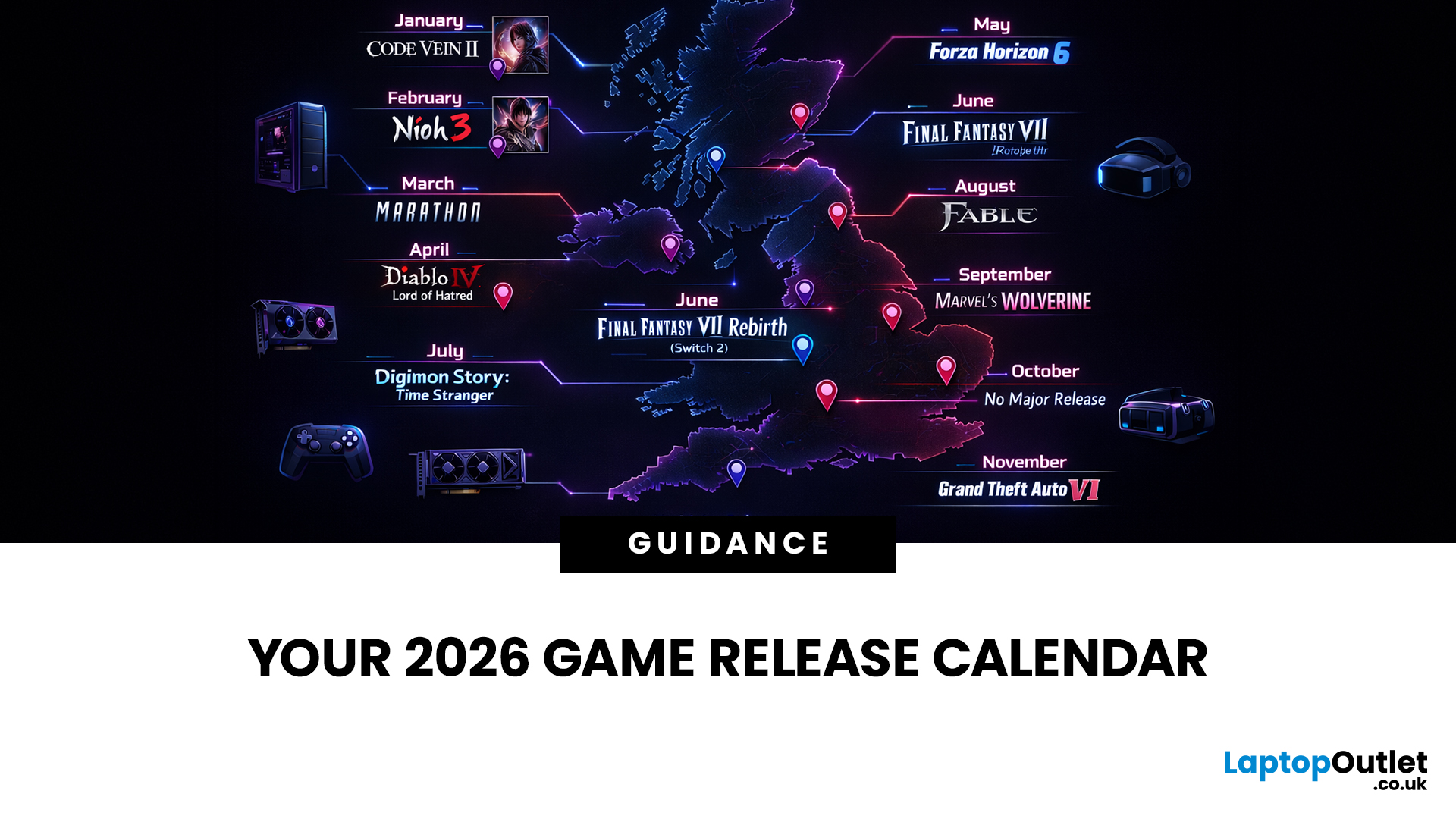
A Beginner S Guide To Gaming PC Specs Beginners Guide To PC Specs UK Blog Feature Image Bottom Text Blog TextTwitter 1536x864 . Summer 2026 PC Best Buy Guide Prebuilt Power For Streamers SoftBit . 2026 4K Gaming Monitors GPU Balance And Best Settings 2 3 1 . Best Gaming Laptop 2026 Real World Picks I D Actually Buy Gamer Org A Sleek Tech Thumbnail Design Featuring 780x438 . 2026 Game Releases Full Upcoming Games Calendar Release Dates PS5 Game Releases Full Calendar Release Dates Main



Top 10 Most Anticipated Games Of 2026 What To Watch Out For TVN GAMES IN 2026 . What Are The Roles Of A Principal Software Engineer Vinish Dev Best Coding Langs To Learn2026 1024x647 . Best Gaming Laptops At CES 2026 RTX 5090 Options Dual Screen Picks Lenovo Legion Pro Rollable Concept. Laptop Buying Guide Best Laptops For Students Work Gaming How To Buy The Perfect Laptop In 2026 A Complete Guide For Gamers And Students . Selecting The Perfect Gaming Laptop A 2026 Guide Og

Compare Infinix Note 60 Vs Tecno Spark 50 5G Specs Price Reviews Image. The 3 Best Gaming Mice Of 2026 Precision Performance The 3 Best Gaming Headsets Of 2026